 +31 (0) 416 724 800
 info@metel.nl
 Slovenščina
  Română
  Polski
  Nederlands
  Magyar
  English
  Čeština
  Български


Sie haben eine Frage zum Einsatz von Metallen in Ihrem Produktionsprozess?
Wolfram
W
Heat resistant, density, hardness
Tungsten, in English tungsten, is a gray shiny and very heavy metal and has the highest melting and boiling point of all metals. The only element in the periodic table that has a higher melting point is carbon. Tungsten is the best when it comes to heat resistance: it has the highest melting point of all metals, namely 3422°C. Thanks to this, it is exceptionally suitable for applications with very high temperatures.
Our products made of Wolfram
Available in
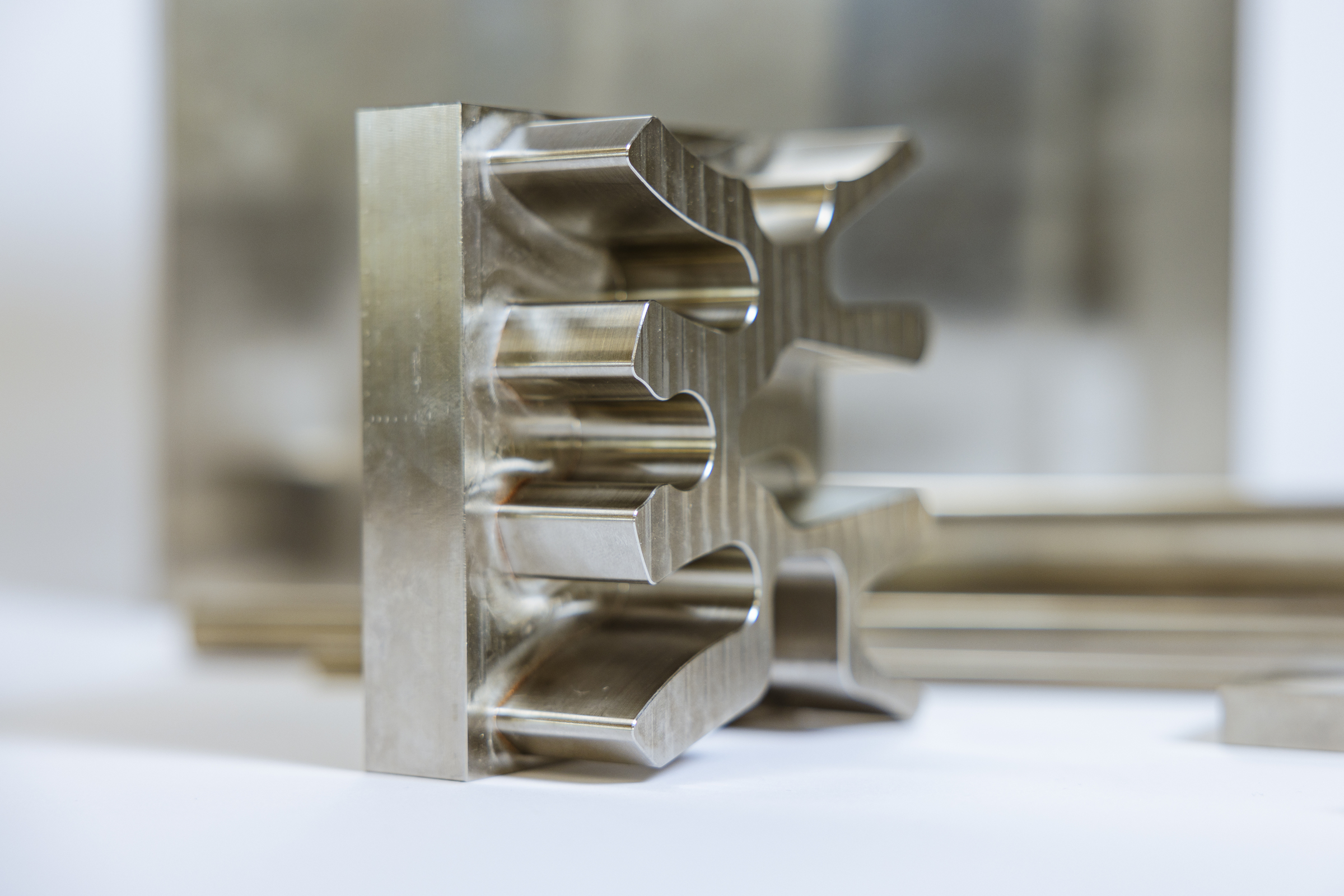
Tungsten and its exceptional heat resistance
Tungsten is known for its exceptionally high melting point of 3,422 °C, the highest of all metals. This heat resistance makes it ideal for applications that must withstand extreme temperatures, such as furnace parts and industrial heating elements. Additionally, tungsten has a low coefficient of expansion (4.5 compared to 29.3 for lead), resulting in excellent dimensional stability. This makes this metal practically indestructible and suitable for long-term exposure to high temperatures. Some commonly used tungsten Alloys are W90NiFeMo, W90NiFe, W92.5NiFe, and W97NiFe.
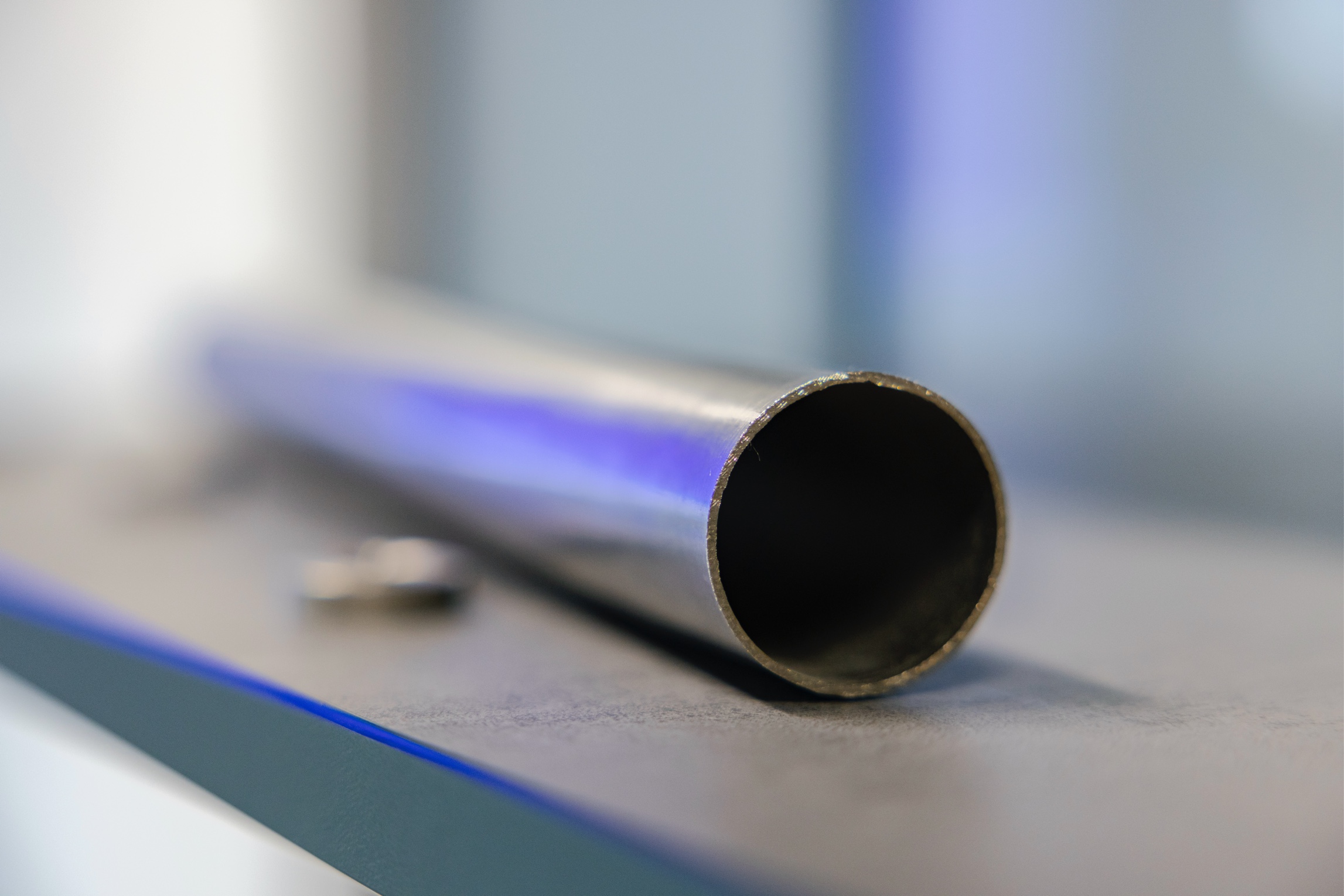
Tungsten as radiation protection in the medical sector
Thanks to its high density of 19.25 g/cm³ and non-toxic nature, tungsten is widely used in the medical sector. It is used for radiation protection in X-ray technology and as protection against radioactive radiation, where it represents a more effective and safer alternative to lead. Due to its high absorption capacity for X-ray and gamma radiation, tungsten is used in collimators and protective shields. Moreover, this metal is excellent for machining using CNC turning and milling, while maintaining dimensional stability and surface quality. With properties such as high wear resistance, thermal conductivity, and oxidation resistance, tungsten remains an indispensable material in industrial and medical applications.
Alternative metals
-
22
Titanium Titanium has the highest strength-to-weight ratio of all elements.
-
40
Zirconium Zirconium is a silvery-gray transition metal with excellent corrosion resistance, making it ideal for use in aggressive environments.
-
28
Nickel Nickel is a shiny silvery-white metal used worldwide in steel.
-
27
Cobalt Cobalt is a silvery-gray, hard metal with unique magnetic properties and a rich history.
-
72
Hafnium Hafnium is a silvery, ductile metal obtained from Zirconium ore.
-
73
Tantalum Tantalum is a gray shiny metal known for its exceptional corrosion resistance in aggressive environments.
-
41
Niobium Niobium is a shiny gray metal known for its toughness and excellent chemical resistance.
-
42
Molybdenum Molybdenum is a hard, shiny silvery metal with a very high melting point of 2623 °C.
Kontaktieren Sie einen unserer Experten
Spezialist für Metalle
Contact Us
Material anfordern
Auf Anfrage
Sie haben eine Frage zum Einsatz von Metallen in Ihrem Produktionsprozess?